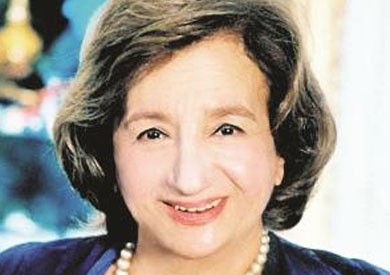
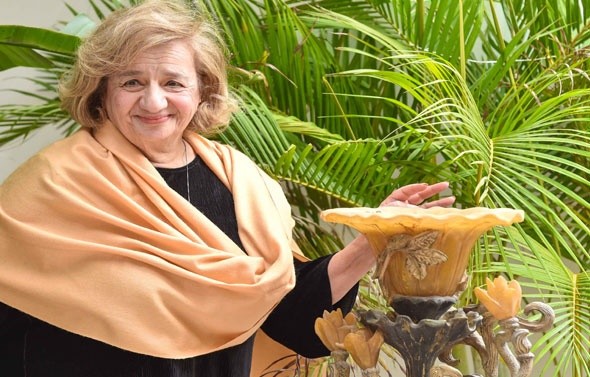
On August 3, Egypt’s artistic and journalistic communities celebrated the birthday of Egyptian writer and journalist Sana El Bissy, one of the most distinguished figures to have left an exceptional mark on Arab journalism. For more than five decades, she has successfully combined the sensitivity of an artist with the precision of a journalist.
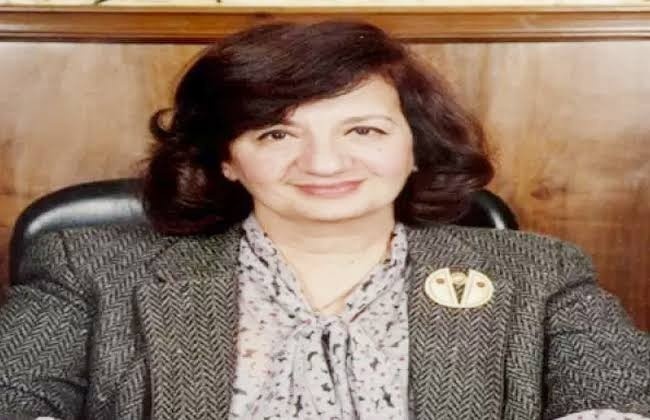
Editor-in-Chief of Nisf El Donia
Sana El Bissy began her journalistic career at an early age and quickly established a prominent position within Egypt’s leading media institutions before assuming the role of Editor-in-Chief of Nisf El Donia magazine, becoming one of the first women to lead a mass-circulation publication of such influence.
She served as Head of the Women’s Section at Akhbar Al Youm newspaper before moving to Al Ahram to head its Women’s Section as well. She later became Assistant Editor-in-Chief of Al Ahram, then Deputy Editor-in-Chief, before taking charge of Nisf El Donia, the first women’s magazine published by Al Ahram.
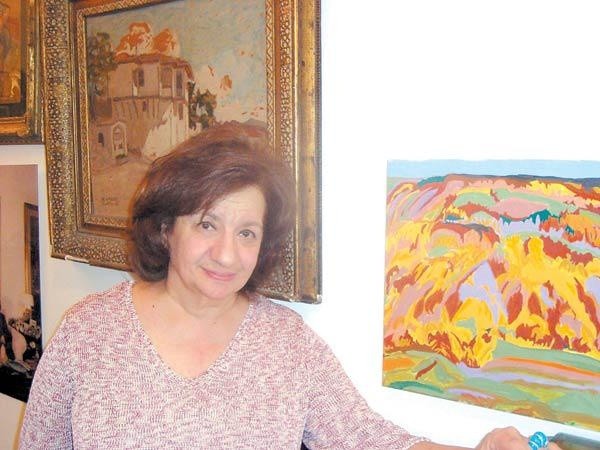
El Bissy became known for her distinctive literary style. Rather than merely reporting news or writing articles, she transformed her texts into literary canvases that blended narrative, language, and imagery, earning her widespread readership across the Arab world.
She also conducted dozens of interviews with leading political, intellectual, and artistic figures and authored numerous articles and books documenting aspects of Egypt’s social and cultural history, while maintaining a unique voice that combined sophistication with accessibility.
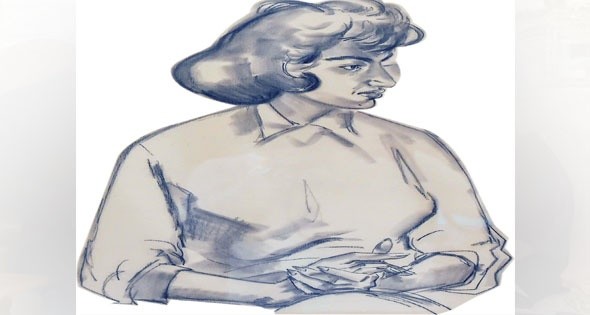
Her influence extended beyond writing. She played a significant role in discovering and mentoring new generations of journalists and writers, becoming an inspiring role model for Arab women in the media and a benchmark in the art of newspaper column writing and human-centered journalism.
Sana El Bissy earned a Bachelor’s degree in Journalism from the Faculty of Arts at Cairo University in 1958. She trained under two of Egypt’s greatest journalism pioneers, Ali Amin and Mostafa Amin, and is the wife of Mounir Kanaan, one of the pioneers of Egypt’s contemporary art movement.
Journalism Excellence Awards
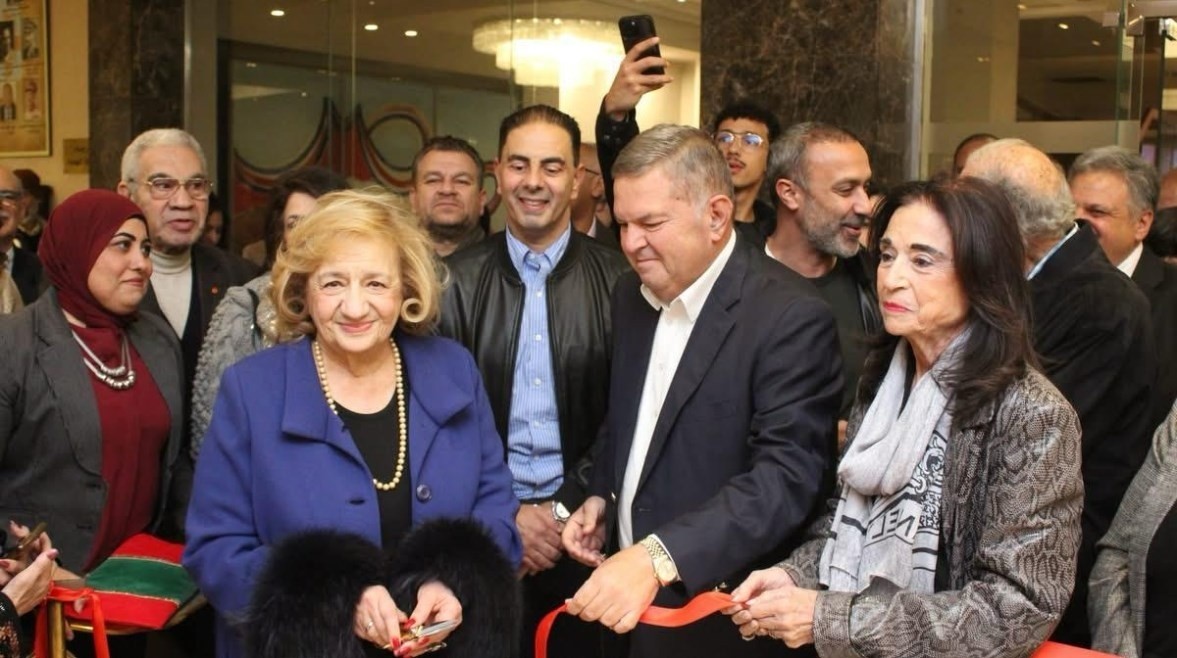
In December 2025, the inaugural edition of the Journalism Excellence Awards was named after the distinguished writer Sana El Bissy. The National Press Authority hosted a major awards ceremony attended by some of Egypt’s most prominent media figures, including Engineer Abdel Sadeq El Shorbagy, Chairman of the Authority; Dr. Mohamed Fayez Farahat, Chairman of Al Ahram Foundation; members of the Authority; and senior executives from Egypt’s national press institutions.
Sana El Bissy attended the award ceremony bearing her name and expressed her profound happiness during her speech at the National Press Authority headquarters, describing the gesture as a long-overdue recognition. She said: “Today is a beautiful day. The Authority has finally done me justice after 65 years in journalism,” while extending her appreciation to all members of the National Press Authority.
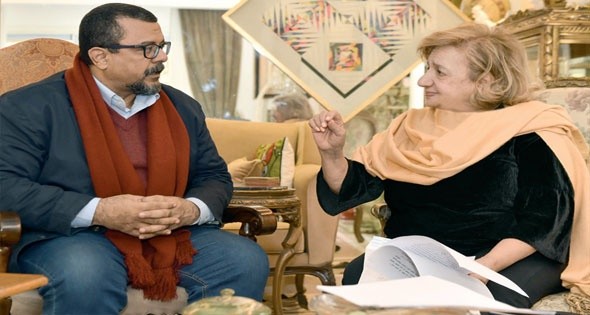
On April 19, 2025, Engineer Abdel Sadeq El Shorbagy, Chairman of the National Press Authority, inaugurated the “Sana El Bissy” exhibition, which remained open until May 5, showcasing a lifetime of creativity where the artist’s brush met the genius of the written word.
The exhibition featured 90 paintings documenting different stages of her artistic journey in fine arts. The collection ranged from contemplative to realistic works, reflecting the richness of her artistic experience and the diversity of her inspirations—from the visual memory of place to the pulse of everyday life, and from introspective reflections to the broader human experience.
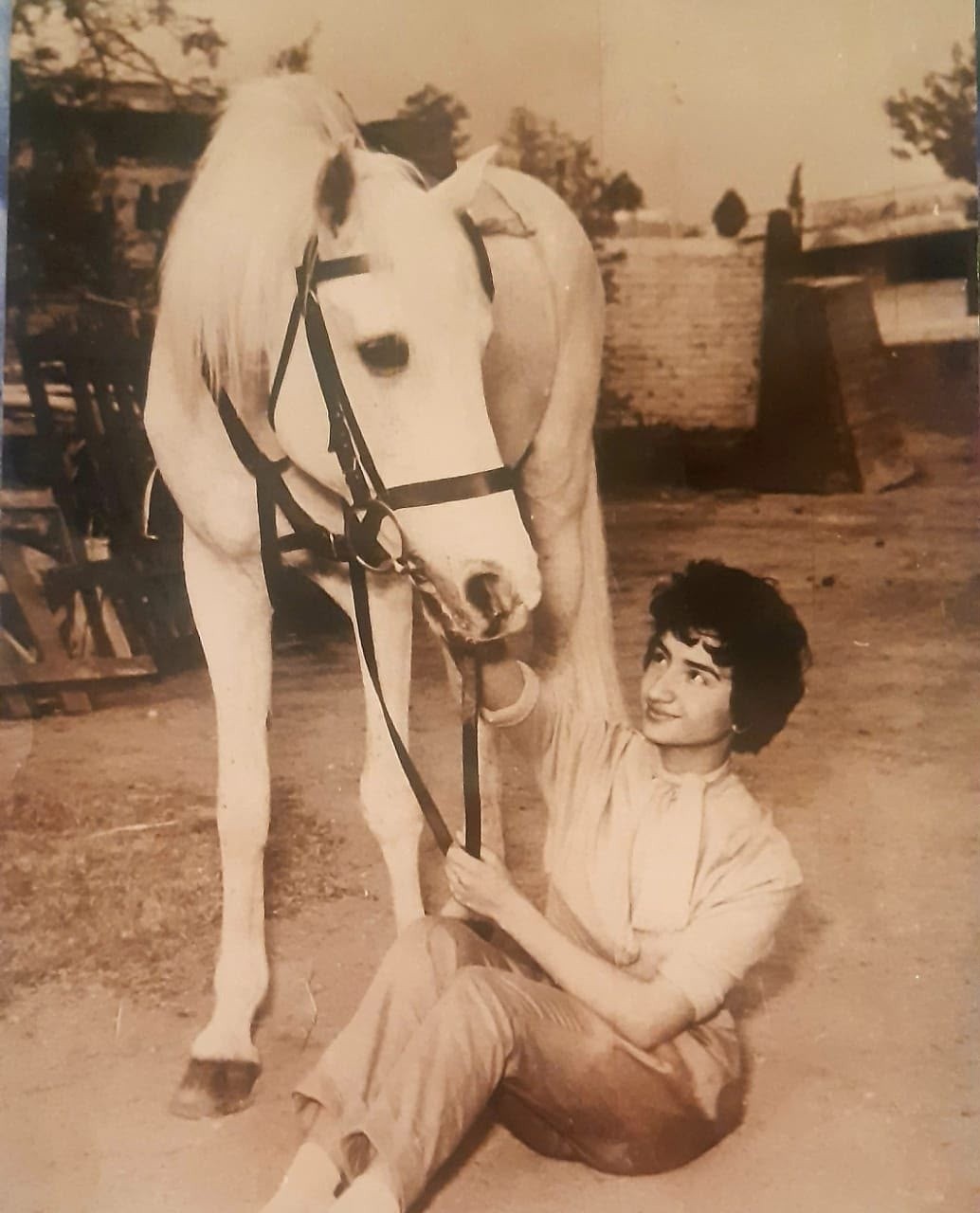
Sana El Bissy and Journalism
Sana El Bissy believes journalism is not merely a profession acquired through academic study but the product of talent, culture, and engagement with life. She maintains that a true writer is shaped in the field and that creativity requires passion, perseverance, and patience—principles she embodied throughout her decades-long career.
Speaking about her writing, she explains that her venture into short-story writing was never premeditated but emerged from inspiration, curiosity, and the desire for self-expression. She also believes talent flourishes only through determination, saying that a person may begin as “a seedling” before growing, through hard work, into “a flourishing tree” capable of resisting barrenness and extinction.
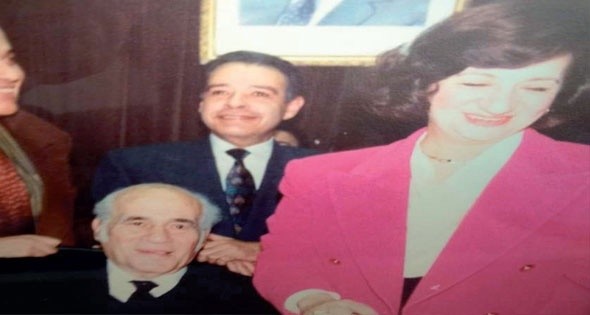
She describes the act of writing as an extraordinary state in which the pen opens doors that once seemed closed, allowing ideas, characters, and details to flow naturally. As for inspiration, she says an idea may deprive her of sleep, turning her pillow into “a bed of thorns” until the writing is complete.
She also believes that no work is complete until it reaches its readers, considering audience engagement an essential part of a text’s success. In her view, a writer always awaits readers’ opinions because writing is ultimately a message fulfilled only through those who receive it.
What They Said About Sana El Bissy
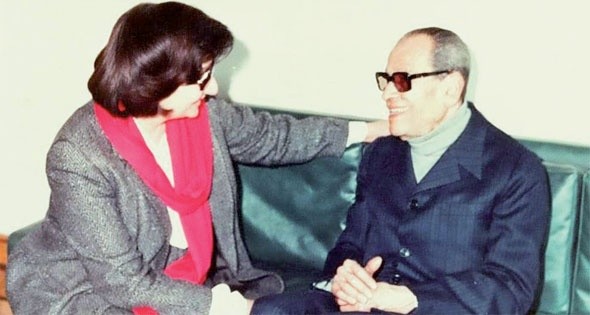
Sana El Bissy’s literary style has earned praise from some of the Arab world’s most prominent intellectuals and writers. The late geographer and thinker Gamal Hamdan described her writing as resembling “the tightly woven stitches of knitting—remove a single stitch and the entire structure unravels,” highlighting the coherence and strength of her language and literary construction.
Nobel Laureate Naguib Mahfouz also praised her eloquence, writing to her in a personal letter: “It is impossible for me to reach the summit of eloquence that you possess.” He admired her both professionally and personally, once remarking about the modest payment he received for publishing his work in Nisf El Donia: “The few pennies I receive from Madam Sana are worth more to me than millions coming from abroad.”
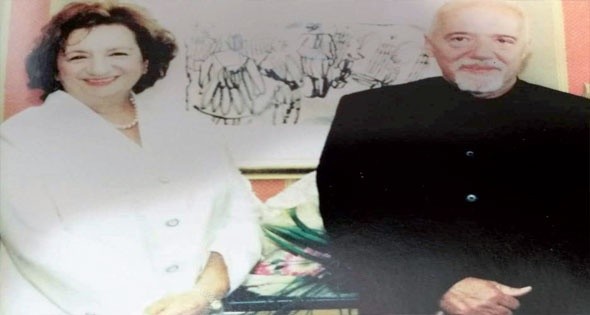
Gamal Hamdan also famously remarked: “Her style resembles the stitches of knitting; not a single stitch can be pulled without causing the entire fabric to fall apart.”
Alongside her journalistic and literary achievements, Sana El Bissy became known for nurturing young talents and promoting professional values inside newsrooms, securing her place as one of the most influential figures in the history of Egyptian and Arab journalism.
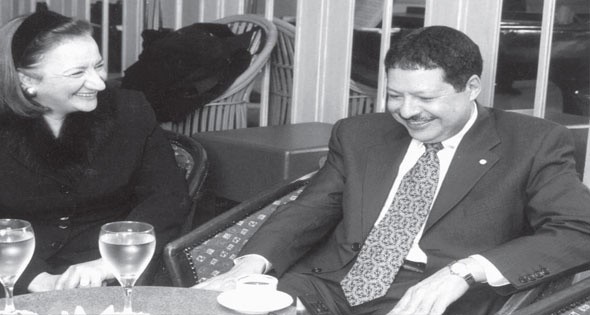
Sana El Bissy on Her Son Hisham Kanaan
Sana El Bissy describes her son, Hisham Kanaan, as her son, friend, and lifelong companion, saying:
“He is my savior, the one who carried me across the distances of pain and hardship to safe shores. I never truly wrote about him because work occupied so much of my life. He relied on himself and grew into a self-made, cultured, patriotic, aware, religious, and generous man. He gave me the greatest gift of my life—my grandchildren—who inherited their father’s kindness and generosity. Today they guide me through the labyrinth of technology and patiently endure my hesitation and mistakes, as though I were a student permanently enrolled in first grade. In art, my grandson Omar inherited the talent of his grandfather, the artist Mounir Kanaan, and I believe he will one day succeed him in creativity and stature. I also deeply adore my granddaughter Nora, who studies psychology and is an avid reader. She writes to authors across continents, and they respond with genuine interest because they recognize her understanding of the deeper meanings within their works.”
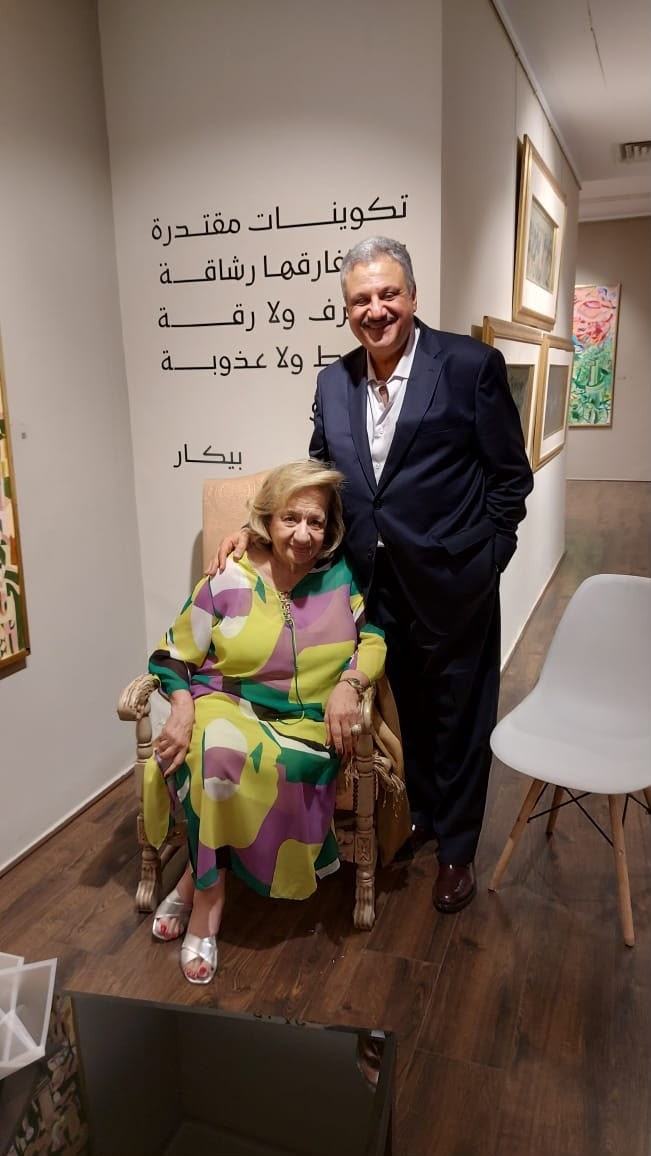
Sana El Bissy’s Articles
The State of Qur’anic Recitation
El Bissy believes that for Egypt to preserve its golden distinction in Qur’anic recitation, the movement must remain vibrant. Competitions continue, verses are recited, selections are underway, attentive listening is encouraged, and the revealed chapters become engraved in memory. Excellence, she says, emerges between the opening and closing verses—“And Allah Almighty has spoken the truth.”
In an article published in Al Ahram, she noted that Egypt’s governorates are currently preparing for participation in the second season of the 2026 “State of Qur’anic Recitation” competition, organized by the Ministry of Endowments in cooperation with the United Media Services Company. More than 25,000 contestants from across the country have already registered and will undergo successive rounds of selection aimed at discovering and nurturing exceptional talents in Qur’anic recitation, supporting promising voices, and cultivating a new generation of Egyptian reciters to preserve Egypt’s leadership in the field of Qur’an recitation.
Saladin… Restored “Al-Falaq” and “Al-Duha”
In one of her articles, Sana El Bissy quoted the renowned English historian Edward Gibbon (1737–1794), author of The History of the Decline and Fall of the Roman Empire, describing Saladin:
“He was humble, knew nothing of luxury, wore only a coarse woolen cloak, drank nothing but water, was devout in both word and deed, grieved that he had been unable to perform the pilgrimage because he was occupied defending Islam, observed the five daily prayers punctually, stood humbly among his companions, gave generously in charity, and, because of his deep piety, recited the Holy Qur’an while riding his horse during battles amidst armies prepared for combat.”
She added:
“Saladin—the limping Sultan—was injured in his leg early in battle, leaving a permanent mark upon the footsteps of a hero who remains the perfect embodiment of the saying: ‘Every person with a disability can possess extraordinary strength.’”
The Fourth Year
Among Sana El Bissy’s well-known series of articles in Al Ahram is “The Fourth Year,” in which she explored a variety of issues, including media development.
She wrote:
“I sit alone, trying to catalogue and contemplate the issue of developing the media—particularly journalism in both its print and digital forms. I recall living in a large apartment building of fifty flats occupied by doctors, judges, engineers, merchants, businessmen, and others. Most lived with their spouses and children of all generations and educational backgrounds. Not one of them any longer cared about the newspaper that was once as essential as daily bread and as loyal a companion at home, at work, during the commute, or at the coffee shop. Only when someone in the ninth-floor or ground-floor apartment passed away would a housekeeper knock on my door to borrow the building’s only printed newspaper for a few minutes so the family could check the address of the funeral tent. I would gladly lend it, urging them to read the entire newspaper—even if only out of curiosity—because I had begun to believe that newspaper publishing was becoming as extinct as the craft of making the traditional fez.”
She continued:
“Yet every one of those residents—and countless others—never parts from a mobile phone while eating, drinking, standing, sleeping, or even entering the bathroom. Comparing what an average citizen spends monthly on mobile phone services, I find it rarely falls below EGP 400, whereas a daily newspaper costs just EGP 3, or around EGP 90 a month. Thus, broad vision and comprehensive understanding have shrunk into the few millimeters of a screen powered by a charger and manipulated by targeted cyber intrusions. The era of analyzing news has been reduced to reading headlines. The pleasure of reading short stories, serialized novels by distinguished thinkers, poetry with rhythm, stock market reports, and illustrated journalism by great artists has faded away. Books have closed their covers, and neither time nor place nor aching necks can sustain endless bending over miniature screens. Birthday greetings, holiday wishes, condolences, and family photographs on social media can never restore the family bonds once nurtured by handwritten letters. The moment you pause to watch an advertisement on your phone, you become fair game for every company selling a similar product. The ringing never stops, day or night, much like real estate agencies offering you the chance to buy land at three million pounds per square meter at three o’clock in the morning. As for the endless stream of celebrity gossip, divorces, scandals, and revealing fashions, they consume your days and steal your life as you follow the movements of a handful of celebrities from El Gouna to the beaches of the North Coast. And those chasing the latest viral trends—from organ theft rumors to the boy who murdered his classmate with an electric saw—continue watching endless platforms devoted to quarrels and verbal abuse across the Arab world.”
Sana El Bissy remains an enduring name in the memory of Arab journalism—not only because of the articles and books she has written, but also because of the professional values she instilled, making the written word a responsibility, writing a mission, and the human being the center of every story.


 تابع آخر أخبارنا على أخبار غوغول نيوز






التعليقات